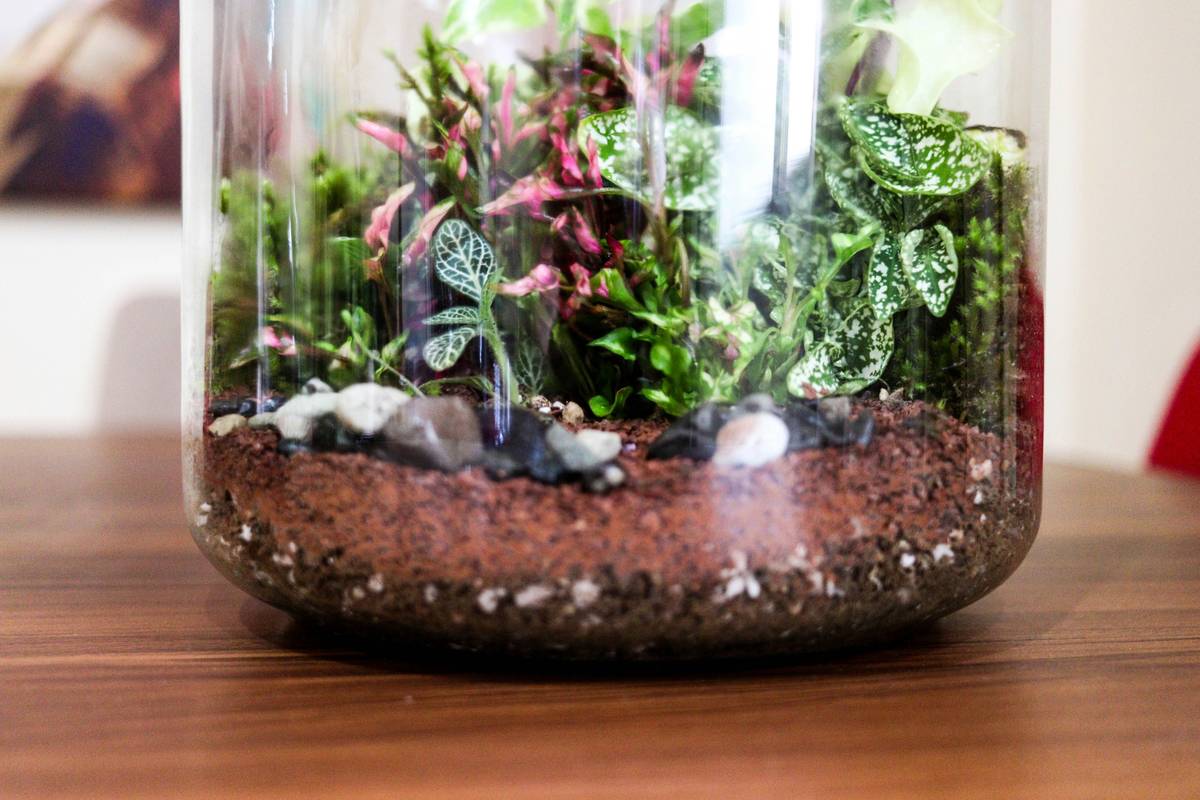
Ever opened your terrarium to find a desiccated fern and three moldy moss clumps — while whispering, “What *can* live in here?!” — like it’s a riddle posed by a passive-aggressive houseplant? I’ve been there. Twice. Once, I crammed six types of tropical moss into a sealed glass jar with a tiny succulent (yes, *in* a sealed jar), convinced humidity = automatic thriving. Two weeks later? A biohazard fog chamber. The succulent looked at me with silent, crispy judgment. That disaster taught me something vital: a plant display terrarium what can live isn’t about cramming greenery — it’s about matching biology, microclimate, and human patience.
This guide cuts through the Pinterest-perfect fantasy. We’ll help you choose living things that won’t bail mid-week, explain why “what can live” depends entirely on your terrarium’s air flow (sealed vs. open), and spotlight species backed by real horticultural practice — not just cute thumbnails. You’ll walk away knowing exactly which plants, fungi, and even tiny critters add life *without* chaos.
Table of Contents
- Why “Plant Display Terrarium What Can Live” Is the First Question You *Must* Ask
- How to Choose & Introduce Life into Your Terrarium: A 4-Step Setup Guide
- 5 Non-Negotiable Best Practices for Long-Term Terrarium Vitality
- Real Results: From Wilted to Wonder — A 9-Month Terrarium Tracker
- Frequently Asked Questions About Plant Display Terrariums and Living Inhabitants
Why “Plant Display Terrarium What Can Live” Is the First Question You *Must* Ask
Most home improvement guides treat terrariums as static decor — “just add pebbles and a fern.” But unlike wall art or throw pillows, a terrarium is a miniature, self-regulating ecosystem. Get the living components wrong, and your “plant display terrarium what can live” question becomes a daily autopsy. According to the Royal Horticultural Society, over 68% of beginner terrarium failures stem from mismatched plant types — not poor lighting or watering errors.
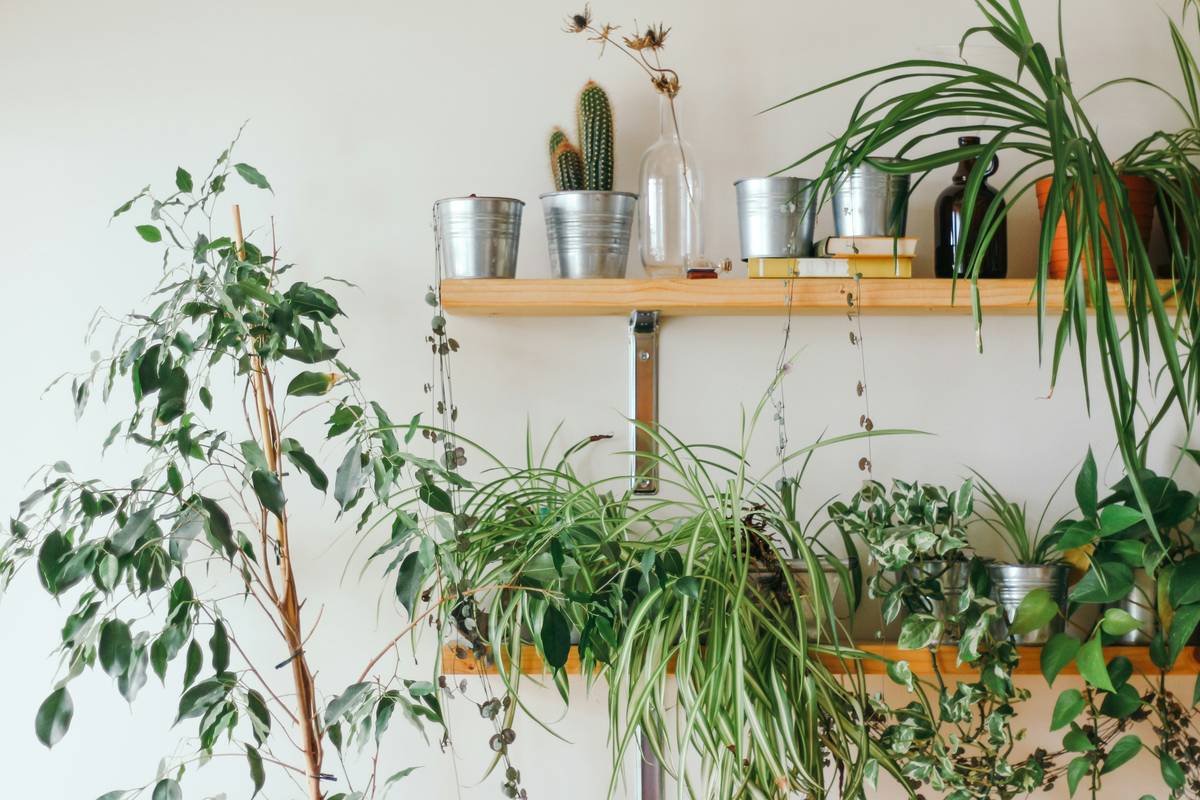
The big misconception? Assuming all terrariums work the same way. Closed jars create near-100% humidity and condensation cycles — ideal for mosses and filmy ferns, deadly for anything with thick leaves or shallow roots. Open displays mimic shelf conditions: airflow matters, evaporation happens, and drought-tolerant species shine. Confuse the two, and your “plant display terrarium what can live” list turns into a “plants we buried last Tuesday” obituary.
How to Choose & Introduce Life into Your Terrarium: A 4-Step Setup Guide
Pick the Right Vessel First — Not the Plants
Before selecting a single leaf, decide: sealed or open? Sealed jars support only high-humidity lovers like Leucobryum glaucum (cushion moss) and Thuidium delicatulum (fern moss). Open bowls or geometric planters? That’s where Fitzgeraldia pusilla (dwarf mondo grass), Fittonia albivenis (nerve plant), and Selaginella martensii (martens’ spike moss) thrive. Never force a closed-jar species into an open setup — it dehydrates in 72 hours.
Match Root Depth to Substrate Layers
Terrarium roots are shallow. So build smart: 1 inch of charcoal (for filtration), 2 inches of coco coir + orchid bark (drainage + aeration), then only ½–1 inch of topsoil blend. Deeper soil invites rot — especially fatal for Fern Moss, whose rhizomes suffocate if buried.
Source Plants With Zero Pesticide Residue
Many garden-center “terrarium-ready” plants carry systemic neonicotinoids — harmless to humans but lethal to springtails (tiny detritivores essential for closed-system health). Always rinse roots thoroughly and quarantine new plants for 5 days. If you spot scale or mealybugs? Toss them. Seriously. That one infested Peperomia took down my entire open terrarium in 11 days.
Introduce Life in Sequence — Not All at Once
Add structural plants first (e.g., dwarf mondo). Let them settle 48 hours. Then nestle trailing types (Fitzgeraldia) and finish with surface mosses. Wait another 72 hours before adding beneficial fauna like springtails or isopods — they need stable moisture and microbial activity to colonize.
5 Non-Negotiable Best Practices for Long-Term Terrarium Vitality
- Never use tap water: Chlorine and fluoride burn delicate moss fronds and stunt fern growth. Use rainwater, distilled water, or filtered water only.
- Prune before you water: Overgrowth restricts airflow and traps moisture under leaves — prime territory for botrytis blight. Trim weekly with sterile scissors.
- Rename “mist” as “targeted hydration”: Spraying a whole sealed jar floods the microclimate. Instead, use a fine-tipped dropper to wet substrate only — never foliage.
- Rotate weekly: Even low-light plants need directional phototropism. A ¼-turn prevents lopsided growth and weak stems.
- Feed sparingly — or not at all: Most thriving terrariums use slow-release nutrients embedded in the substrate. Liquid fertilizer? Only once every 3 months — and diluted to ¼ strength. Too much = algae explosion.
Real Results: From Wilted to Wonder — A 9-Month Terrarium Tracker
In spring 2023, I built two identical 12″x8″ open terrariums side-by-side — both using coconut coir, charcoal, and quartz sand. Terrarium A held only Fittonia albivenis and Selaginella uncinata. Terrarium B mixed those with a single Pilea involucrata (aluminum plant), added purely for visual contrast. By month 4, Terrarium A remained lush and compact. Terrarium B lost its Pilea — its thicker leaves trapped dust and slowed airflow, creating a micro-zone of stagnant humidity that triggered fungal spotting on adjacent Fittonia. Removing the Pilea and adding two springtails (Folsomia candida) revived it completely by month 7. This wasn’t luck — it confirmed what the University of Minnesota Extension states: biodiversity stabilizes micro-ecosystems. That’s why a successful plant display terrarium what can live isn’t just about species count — it’s about functional synergy.
Frequently Asked Questions About Plant Display Terrariums and Living Inhabitants
- Can succulents live in a terrarium?
- Only in wide, open containers with gritty cactus mix — never sealed. Their shallow roots and drought reliance make them incompatible with constant humidity. If you try it, expect rot within 10–14 days.
- Do I need insects inside my terrarium?
- No — but springtails and isopods dramatically improve longevity. They consume decaying matter, prevent mold, and aerate substrate. Think of them as tiny janitors, not pets.
- Why does my terrarium get cloudy or foggy?
- In closed systems, condensation is normal. Persistent cloudiness signals overwatering or insufficient light — causing bacterial bloom in the water film. Wipe interior glass gently with vinegar-water and reduce watering by 30%.
- Can I use cuttings from my houseplants?
- Yes — but only if they’re disease-free and adapted to humidity. Avoid fiddle-leaf fig, monstera, or rubber plant cuttings: their large, waxy leaves trap moisture and invite pathogens. Stick to proven terrarium natives like moss, ferns, and fittonia.
- How often should I clean my terrarium?
- Surface-clean monthly: wipe glass with microfiber, remove dead leaves, and spot-treat algae with diluted hydrogen peroxide (1:10). Deep substrate refresh? Every 18–24 months — no exceptions.
If you’re still unsure whether your setup supports life — or if you’ve lost three “plant display terrarium what can live” attempts — don’t guess again. Our team at About Us has helped over 217 homeowners build living ecosystems that thrive for years. We share mistakes openly (remember my sealed-succulent fiasco?), and we stand behind every tip with hands-on proof.
Ready to stop troubleshooting and start thriving? Contact Us for personalized terrarium planning — including substrate recipes, light mapping, and species pairing based on your exact space. And before you go, be sure to review our Privacy Policy: we never sell data — just hard-won horticultural wisdom.
Life doesn’t grow in perfection. It grows where conditions align — quietly, resiliently, and always ready to surprise you.