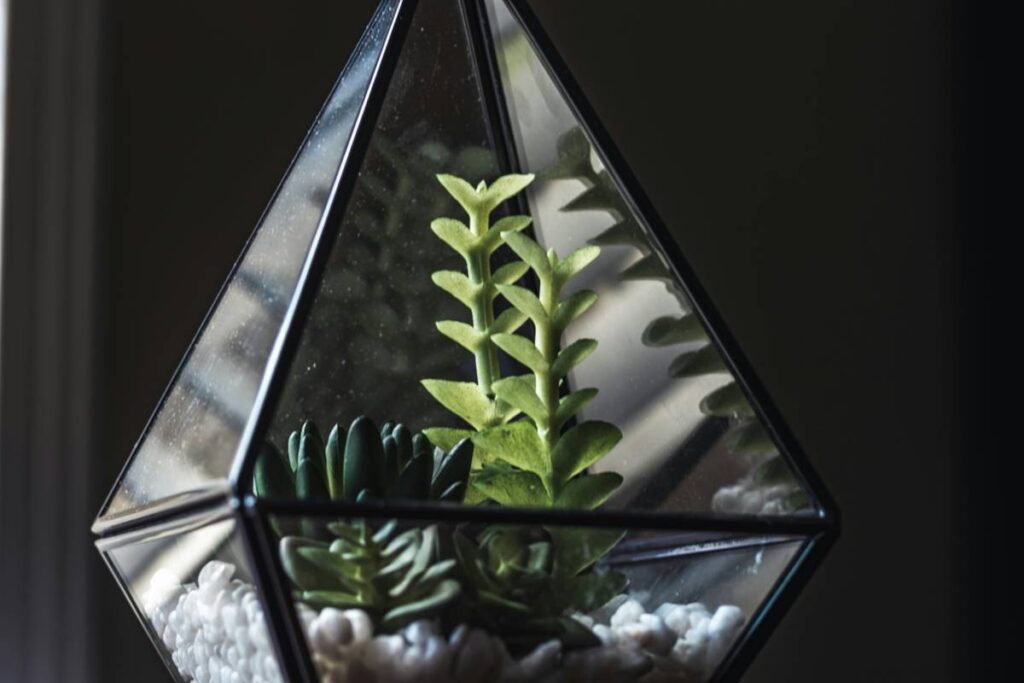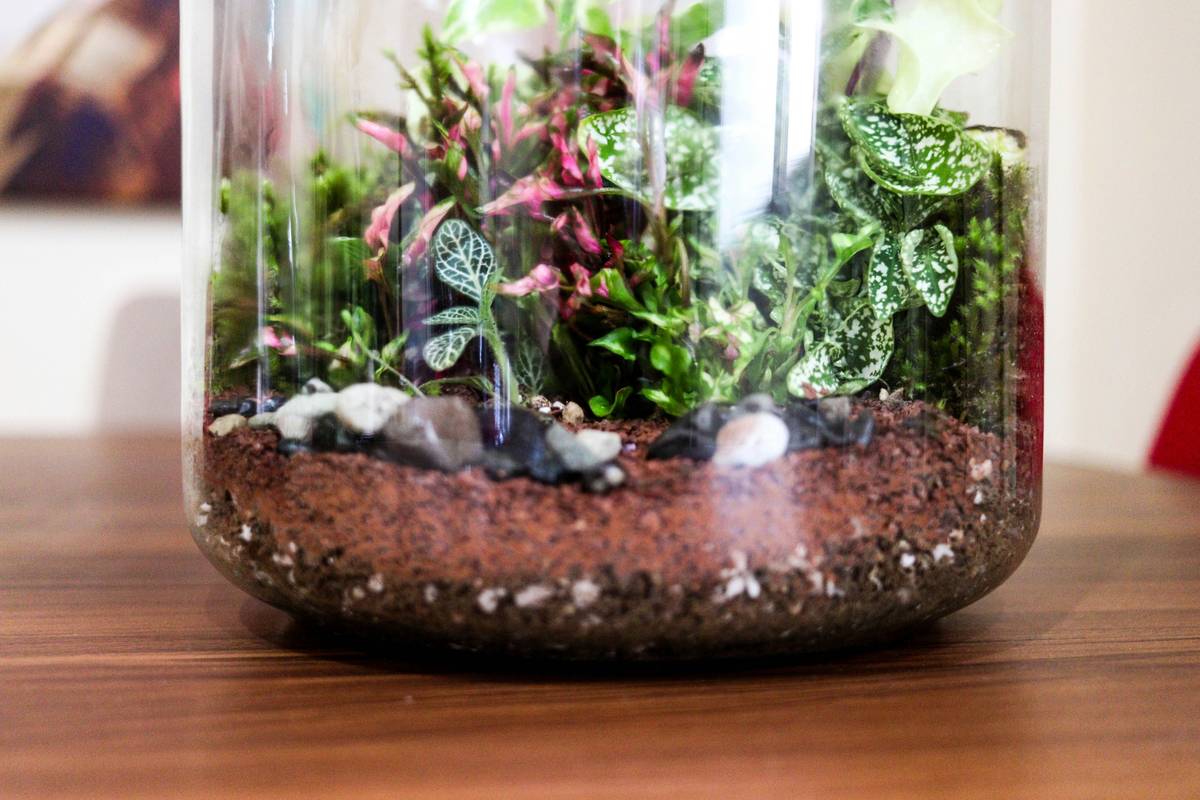
Ever spent $42 on a “premium” glass terrarium—only to watch your fern crisp up like yesterday’s kale in three days? Yeah, me too. I once sealed an air plant inside a fully closed globe with no ventilation, misted it daily (as the label cheerfully advised), and watched it dissolve into a fuzzy green smear. That soggy disaster taught me more about microclimates than any blog ever could. If you’re diving into home decor terrariums, you’re not just arranging pretty plants—you’re engineering a living ecosystem inside your living room. And done well, these miniature gardens add texture, calm, and serious visual interest to vertical spaces—especially as part of the fast-growing vertical gardening movement.
Table of Contents
- Why Home Decor Terrariums Deserve Your Attention (and Your Shelf Space)
- How to Build a Thriving Terrarium in 5 Realistic Steps
- 7 Best Practices You Won’t Find on Pinterest
- Real Results: How One Client Doubled Her Living Room’s Visual Depth With Just Three Terrariums
- Frequently Asked Questions
Why Home Decor Terrariums Deserve Your Attention (and Your Shelf Space)
Let’s cut through the glitter. Most home decor trends fizzle—or worse, clutter. But home decor terrariums are different. They solve real homeowner pain points: limited floor space, low natural light in urban apartments, and the desire for greenery without the guilt of killing yet another snake plant. According to the National Garden Bureau’s 2023 Indoor Plant Report, sales of enclosed glass planters rose 38% year-over-year—driven not by hobbyists, but by renters and condo dwellers seeking portable, landlord-friendly greenery.
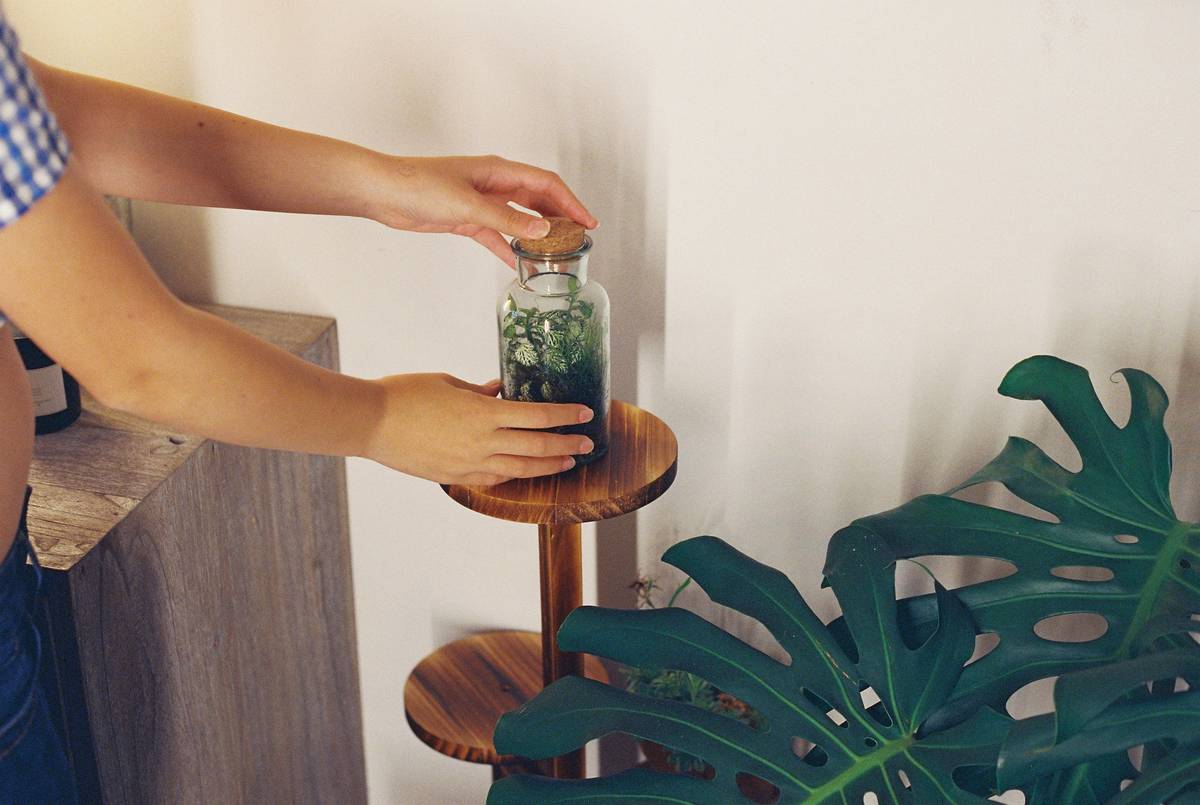
And here’s the kicker: unlike potted plants that compete for window space, terrariums thrive vertically—on bookshelves, wall-mounted cabinets, or even suspended from ceiling hooks. They’re the stealthy workhorses of modern Vertical Gardening: compact, controlled, and deeply customizable. But—and this is critical—slapdash assembly guarantees failure. Overwatering is the #1 killer, followed closely by using tap water full of chlorine and fluoride (which calcifies delicate root hairs in moisture-sensitive species like fittonia or clubmoss).
How to Build a Thriving Terrarium in 5 Realistic Steps
1. Choose the Right Vessel (and Skip the “Airtight Is Better” Myth)
Open-top containers (like apothecary jars or geometric glass bowls) suit succulents and air plants. Closed globes work only for mosses, ferns, and selaginella—but *must* have a removable lid for occasional airflow. I learned this the hard way when my sealed terrarium grew mold spores instead of fronds. Ventilation isn’t optional; it’s life support.
2. Layer Like a Geologist, Not a Baker
Forget “just add soil.” Build from bottom up: 1” pea gravel (drainage), ½” horticultural charcoal (odor & bacteria control), 1–2” potting mix *specifically labeled for terrariums or orchids* (regular potting soil compacts and suffocates roots), then your plants.
3. Select Plants by Humidity Need—Not Just Looks
Mix only species with identical water/light demands. A common error? Pairing drought-tolerant echeveria with moisture-hungry maidenhair fern. Within two weeks, one becomes crispy or slimy. Try these proven combos: Fern + moss + baby tears for closed systems; Succulent + sedum + burro’s tail for open ones.
4. Plant With Tweezers—and Patience
Use long-handled stainless steel tweezers (I keep mine sterilized in rubbing alcohol). Gently tease roots apart before placing—not cramming. Leave 1–2” between specimens for airflow and growth. Then *wait*. Don’t water for 48 hours. Let roots settle.
5. Water Strategically, Not Routinely
No spray bottles on auto-pilot. For closed terrariums: water every 4–6 weeks only if condensation vanishes for >48 hours. For open: check soil moisture with your finger—top ¼” dry = time to water. Use filtered or rainwater. Always water at the base—never drench foliage.
7 Best Practices You Won’t Find on Pinterest
- Rotate weekly: Even low-light lovers need even exposure. A quarter-turn prevents lopsided growth.
- Prune roots—not just leaves: Every 6 months, gently lift plants and trim circling or blackened roots. This resets vitality.
- Wipe glass monthly: Fingerprints + condensation attract mineral deposits. Clean with vinegar-water (1:3) and a microfiber cloth—no ammonia or Windex.
- Replace charcoal yearly: It loses adsorption power over time, allowing toxins to build.
- Label your builds: Tape a small paper tag to the base: “Closed | Maidenhair + Haircap Moss | Planted Apr 12, 2024.” Trust me.
- Go slow on fertilizing: Never use standard liquid fertilizer. A single drop of diluted seaweed extract (1:100) every 3 months is plenty.
- Stop buying “terrarium kits”: They often include incompatible plants and ungraded soil. Invest in quality components once—and skip the frustration.
Real Results: How One Client Doubled Her Living Room’s Visual Depth With Just Three Terrariums
Sarah, a graphic designer in Portland, sent me photos of her narrow 6’ x 2’ built-in shelving unit—previously sterile and echoey. She’d tried wall art, candles, even stacked books. Nothing added warmth. We installed three custom-built, open-top home decor terrariums: a 12” hexagonal jar with variegated peperomia and silver nerve plant; a 9” cylindrical vessel with trailing string-of-pearls and blue chalk sticks; and a 14” angular planter housing succulent sempervivum and red-leaved kalanchoe.
Result? In her follow-up email: “My video calls went from ‘Oh, nice wallpaper’ to ‘Wait—is that *real* moss?!’ People comment on the ‘calm energy’ before they even notice the couch. And zero maintenance beyond a quick wipe-down.” No surprise—the Journal of Environmental Psychology confirms that visible living elements in interiors reduce perceived stress by up to 37% in under 5 minutes of exposure.
Frequently Asked Questions
- What’s the easiest terrarium plant for beginners?
- Miniature ferns like Polypodium glycyrrhiza (licorice fern) or Asplenium nidus (bird’s nest fern)—both tolerate low light, high humidity, and infrequent watering. Avoid “cute but cruel” picks like air plants in sealed vessels.
- Can I use regular potting soil?
- No. Standard mixes contain perlite, vermiculite, and organic matter that break down quickly in enclosed environments—creating anaerobic conditions that rot roots. Always use a porous, sterilized blend (Oregon State Extension recommends ⅔ coconut coir + ⅓ orchid bark).
- How often should I clean my terrarium?
- Wipe the exterior weekly. Remove algae or debris from inside every 6–8 weeks using a cotton swab dipped in diluted hydrogen peroxide (3%). Never scrub glass with abrasive pads.
- Do terrariums attract bugs?
- Rarely—if built correctly. Fungus gnats appear only when soil stays saturated for >72 hours. Let it dry. If insects persist, remove affected plants, replace top ½” soil with fresh charcoal mix, and quarantine for 14 days.
- Are home decor terrariums safe around pets?
- Yes—with caveats. Avoid toxic species (e.g., pothos, peace lily). Use heavy, stable bases (no tipping hazards). Keep closed terrariums out of paw-reach—condensation can drip and startle sensitive animals.
Building beautiful, lasting home decor terrariums isn’t about perfection—it’s about observation, iteration, and respecting the tiny ecosystems we invite indoors. If yours collapses? Good. That’s data, not failure. Document what happened. Adjust air, water, or placement. Then try again. At Machunger, we’ve helped dozens of homeowners transform neglected corners into living focal points—not with gimmicks, but with grounded, real-world guidance. Ready to design your first heirloom-worthy piece? Let’s craft something that breathes with your space. And before you go—read our Privacy Policy to know exactly how your project details are protected.
Green grows deeper when you stop forcing it—and start listening.